
Cocaine
Buy Cocaine online in Canada
Buy cocaine online in Canada, including Toronto and Vancouver. Cocaine is a highly addictive illegal drug that has no medical use today. It is an illicit drug that creates significant changes in the brain, leading to a tough-to-overcome addiction. You can order cocaine online in cities like Winnipeg, Quebec City, and Ottawa in Canada.
What Is Cocaine Made From? Main Ingredients & Cocaine Cutting Agents in Canada
Cocaine is a potent and highly addictive stimulant that originates from the leaves of the coca plant, which is primarily found in South America rather than Canada. Historically, this drug has been utilized for its anesthetic properties and its ability to constrict blood vessels. Despite its known addictive qualities that began to surface in the late 19th century, it is still employed today in certain medical settings as an anesthetic. You can find Cocaine online for sale in New Brunswick, Canada
Cocaine has a rich history, being one of the oldest drugs known to humans in British Columbia (BC) and Alberta (AB), Canada. According to National Geographic, indigenous cultures in South America have cultivated the coca plant for approximately 8,000 years, utilizing it for various purposes in their daily lives.
How Is Cocaine Made in Canada?
The process of creating cocaine is complex and involves a variety of chemicals in Canada. Unfortunately, in places like British Columbia, dealers often adulterate the drug with other harnkul substances to stretch their profits.
Some of these cutting agents, such as fentanyl, pose severe health risks.
The production begins with harvesting leaves from the coca plant, which thrives in the rich soils of Colombia, Peru, and Bolivia.
A Closer Look at How Powdered Cocaine is Made:
1. The coca leaves undergo a meticulous process where they are soaked, filtered, and then dried.
2. The resulting powder is mixed with solvents to help extract the alkaloids.
3. The mixture is then pressed and heated to produce a stiffer form of cocaine
To create crack cocaine, the process shifts slightly. Hydrochloride is dissolved in a solution and heated, resulting in a viscous substance that settles at the bottom of the container. The excess water and impurities are subsequently removed, yielding the final product.
Where Does Cocaine Come From?
Colombia reigns as the largest producer of the coca bush, playing a significant role in global cocaine production.
After peaking in 2000, coca bush cultivation declined over the next decade but rebounded dramatically, increasing by 76% between 2013 and 2016. By 2016, the worldwide area used for coca cultivation reached a staggering 213,000 hectares, with Colombia contributing to 68.5% of that area. The output for that year was reported at 1,410 tons, marking a 25% rise from the previous year. You can purchase Cocaine online in Toronto, Canada.
Are There Uses for the Coca Plant Other Than Producing Cocaine?
Indigenous populations in South America have utilized coca leaves not only for their psychoactive effects but also for their medicinal qualities. The leaves have traditionally been used to alleviate various ailments, such as upset stomach, nausea, altitude sickness, chills, and even hunger pangs. Additionally, coca leaves provide calories, carbohydrates, minerals, and vitamins, serving as a potential source of energy and nutrients for those who consume them.
When Did They Stop Putting Cocaine in Coca-Cola?
Coca-Cola, the iconic beverage, initially contained cocaine as one of its ingredients. However, beginning in 1903, the drink’s formulation was gradually modified to eliminate cocaine, although it continued to use non-narcotic coca leaf extract for its distinct flavor profile. Interestingly, it is still recognized today as a medical anesthetic in controlled environments.
What Adulterants Are Used in Cocaine, and What Are Their Effects?
Given the high cost of pure cocaine, dealers often resort to mixing the drug with various substances to maximize profits in regions like Ontario, Canada. Common diluting agents, such as cornstarch, talcum powder, baking soda, or flour, are frequently incorporated.
Additionally, dealers may enhance cocaine’s effects with other substances, which can lead to serious health risks:
– Caffeine is one such additive that can produce effects similar to this drug, but much weaker.
– Lidocaine, a medication used to treat heart arrhythmias, can amplify the numbing effects of cocaine, but it comes with significant risks, including heart complications and overdose, increasing overall toxicity.
– Procaine, known as a local anesthetic, may mimic some of cocaine’s effects but can also result in side effects like nausea, tremors, and dizziness.
– Levamisole, originally an animal dewormer, is often used by dealers to intensify the high from coke; however, it can lead to serious health issues, including fever and blood disorders.
– Mannitol, typically a prescription diuretic, is mainly used to bulk up cocaine with minimal health risks, aside from potential nasal irritation.
Understanding the complexities surrounding cocaine production and the dangers of adulteration is crucial in addressing the ongoing challenges of drug abuse and addiction.
How is Cocaine Classified in Canada?
Cocaine is classified as a powerful stimulant drug in Canada, specifically affecting the central nervous system. In cities like Vancouver, BC, it heightens various bodily functions by accelerating the communication between the brain and the body. Users often experience a rapid increase in thought processes, speech, and physical actions.
Although cocaine’s effects are intense and immediate, they are generally shorter-lived compared to those of other stimulants such as methamphetamine and amphetamines.
Cocaine’s Chemical Structure and Its Effects
Cocaine comprises a combination of carbon, hydrogen, nitrogen, and oxygen atoms, ultimately forming a crystalline alkaloid. This complex structure enables it not only to act as a stimulant but also as a local anesthetic, numbing nerve impulses in areas like the mucous membranes of the eyes, nose, and throat.
How is Cocaine Used in Canada?
In Canada, the most common methods of cocaine consumption include snorting and rubbing it into the gums, which yield similar effects regardless of whether one is in bustling Manitoba or elsewhere. You might witness individuals snorting cocaine using items like rolled-up banknotes or thin keys during social outings. Historically, this method has been tied to party culture, especially throughout the 1980s and 1990s, evoking imagery of razor blades for preparing the powder and mirrors to spread the lines.
Less frequently, cocaine is dissolved in water for injection, which can drastically intensify and quicken the onset of its effects, but it also raises the risks of overdose and the transmission of infectious diseases. Another method involves mixing with ammonia or baking soda to create a smokeable product, which is inhaled through a glass pipe, further amplifying the intensity and increasing the potential for addiction and dependency.
Short-Term Effects of Cocaine
The short-term effects of cocaine are almost instantaneous and can be overwhelmingly intense. Upon ingestion, cocaine rapidly stimulates the brain, leading to a significant surge in dopamine levels that produces a euphoric sensation, albeit briefly. Physiologically, the body responds by constricting blood vessels, which often results in a notable decrease in appetite and a diminished need for sleep.
Behaviorally, individuals under the influence may exhibit exaggerated and atypical reactions-becoming hyperactive, restless, overly excited, and in some cases, aggressive or violent. These effects can become even more pronounced when cocaine is used in combination with alcohol or other drugs. The co-use of these drugs and alcohol is particularly perilous, as it generates a harmful psychoactive substance known as cocathylene, which has been associated with an increased risk of severe health complications, including seizures and liver damage, as well as a staggering 18- to 25-fold higher risk of immediate mortality compared to using cocaine alone.
Long-Term Effects of Cocaine
The ramifications of chronic cocaine use are dire and far-reaching in Canada. Prolonged abuse of this potent substance is linked with numerous cardiovascular issues, alongside significant damage to nasal passages that can lead to chronic nosebleeds and a diminished sense of smell.
Mental health also suffers under the dark shadow of long-term cocaine addiction, with users often facing escalated levels of anxiety and paranoia. The brief euphoric highs associated with the use of this drug foster a cycle of repeated consumption, leading to addiction and the possible emergence of severe psychiatric disorders, including psychosis and delusions
Cocaine Addiction in Canada: A Descriptive Overview
Cocaine addiction in Canada stems from the intense and fleeting pleasure the drug provides, particularly during the initial experiences of use in Saskatchewan. This powerful stimulant creates euphoric highs that are often intoxicating, drawing individuals into its grip. However, the highs are invariably followed by lows; as users descend into the inevitable and unpleasant “comedown,” many find themselves spiraling into a cycle of dependence as they reach for the drug to counteract these low moments.
In social environments, especially within vibrant party scenes and nightlife, cocaine continues to permeate the culture, making it easily accessible within various social circles across the country. This widespread use can lead to what is clinically recognized as cocaine use disorder, wherein individuals lose control over their consumption, leading to profound physical and psychological dependencies. As addiction takes hold, the withdrawal symptoms can become severe, making the process of cessation incredibly challenging.
Recognizing the signs of addiction can be crucial, potentially saving a loved one’s life. Behavioral indicators that might suggest someone is struggling with this addiction include frequent conversations about cocaine or defensiveness when the topic is raised. A person may also start neglecting responsibilities— be it at work, school, or home-reflecting a shift in priorities that often accompanies addiction. Social withdrawal becomes common, with individuals opting for secrecy about their activities and distancing themselves from friends and family.
Financial troubles may arise as escalating drug costs strain budgets.


Cocaine

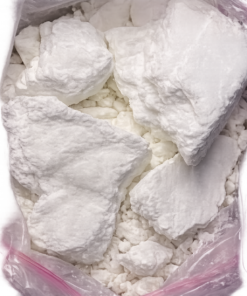
Cocaine
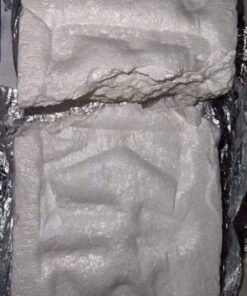
Cocaine

Cocaine
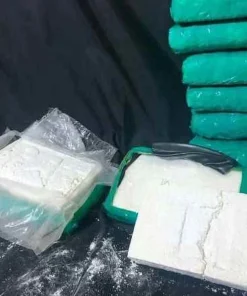
Cocaine
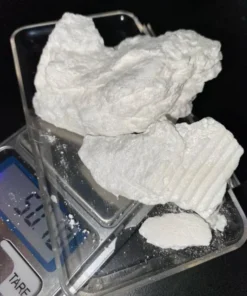
Cocaine
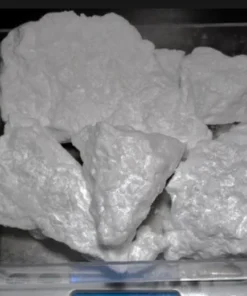
Cocaine
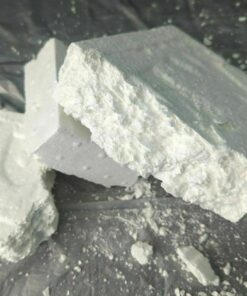
Cocaine
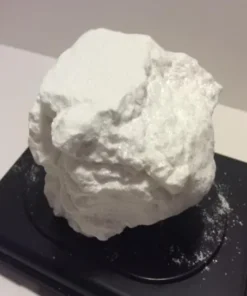
Cocaine
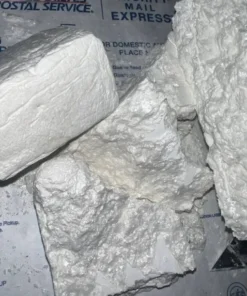
Cocaine
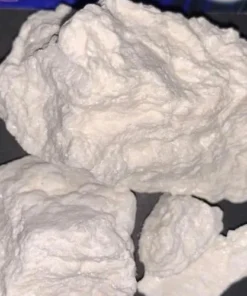
Cocaine